
Pediatric Dentistry in Oman
Looking for pediatric dentistry in Oman? Start with your child’s age, reason for visiting and care needs. This guide helps you prepare questions about assessment, prevention, decay treatment, anxiety, fees and follow-up. A clinician determines suitability after assessment; one package or plan cannot fit every child.
OmaniHub is an intermediary marketplace, not a dental clinic, and does not perform treatment. No children’s dental offers are currently linked to this record. Use the guide to prepare a consultation and verify the clinician and service; it does not establish an available appointment or diagnose your child.
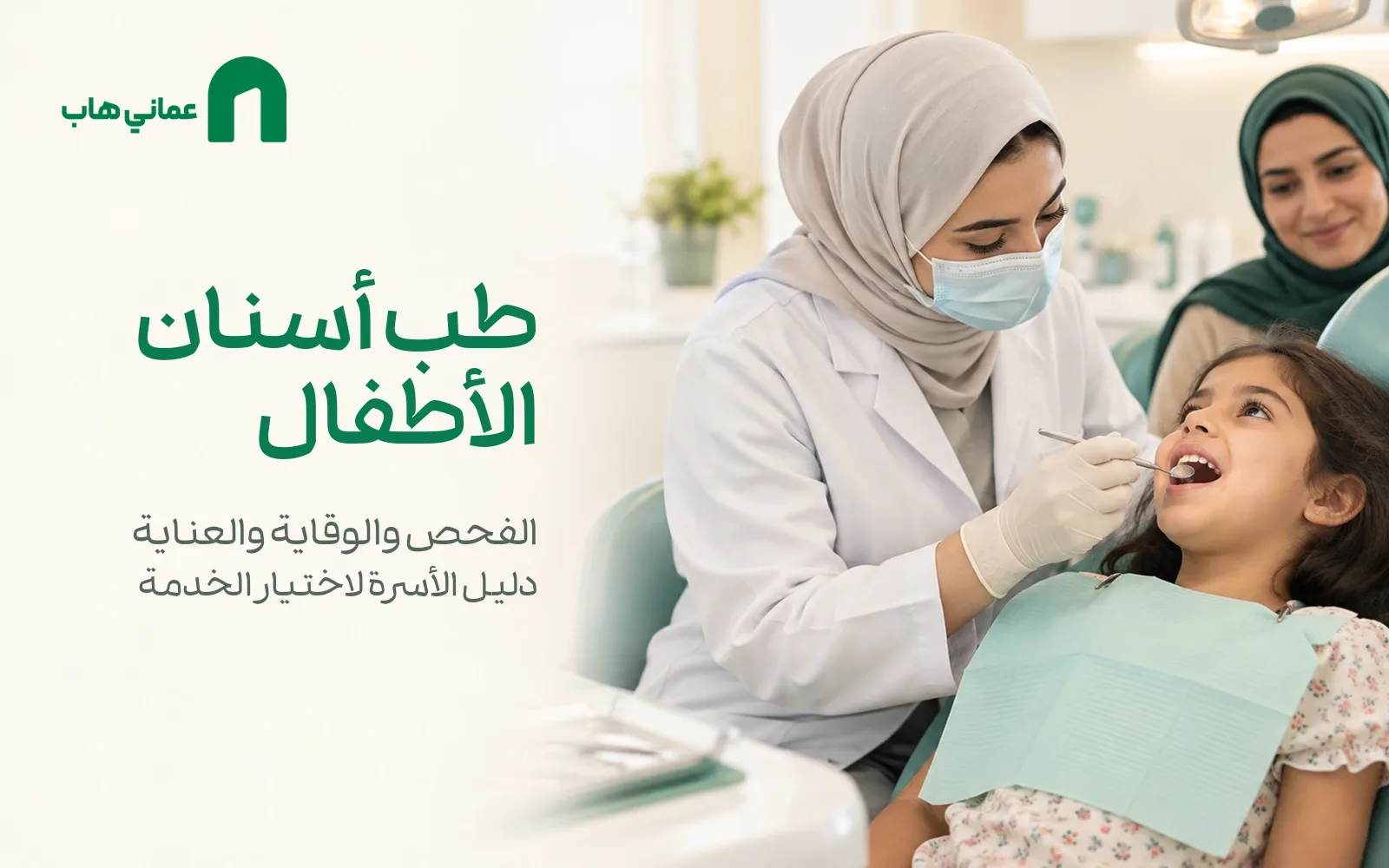


Choosing children’s dental care in Oman
What does pediatric dentistry cover?
Children’s dental care can include assessment, prevention and treatment appropriate to age, oral health and cooperation. One appointment may focus on a first examination and parent guidance; another may address tooth decay or an injury. A service label does not establish that every procedure is offered at every clinic, so explain the reason for the visit when enquiring.
Start with the concern you need assessed: a first checkup, pain, a visible cavity, a change in tooth colour or follow-up after treatment. Give the child’s age and mention relevant health or communication needs. This helps the clinic organise an appropriate appointment but does not replace examination. A practice accepting children is not necessarily staffed by a specialist pediatric dentist; confirm the clinician’s qualifications and actual role.
When should a child have a first dental visit?
The American Academy of Pediatric Dentistry recommends an initial check when the first tooth appears, no later than the first birthday. Early assessment supports parent guidance and prevention; it does not mean every infant needs a procedure. If your older child has never attended, arrange assessment rather than waiting for a clear complaint.
Ask how the clinic accommodates infants or young children and what a parent should bring. A preventive first visit and an appointment for an existing problem may have different purposes, timings and fees. Mention pain affecting eating or sleep, swelling or a recent injury when requesting a visit. A phone photograph can help explain your concern, but it cannot establish the diagnosis or select treatment without an appropriate assessment.
Why do baby teeth matter if they will fall out?
Primary teeth have a role in eating, speech and the developing mouth. Their eventual replacement does not make pain or decay unimportant. The dentist considers the tooth’s condition, development and expected replacement when discussing care; “it will fall out soon” is not enough to decide whether treatment is needed.
Request a clear explanation of the problem, what postponement could mean and which alternatives are reasonable. If monitoring is proposed, ask what will be checked and when to return. If treatment is advised, understand its purpose, limits and follow-up. Do not use a sibling’s experience as a universal rule. Similar-looking teeth may differ in the extent of damage, stage of development and practical treatment options, including the child’s ability to cooperate.
How should you choose a dentist and clinic?
Compare the clinician’s relevant qualifications, accepted age groups and experience with your reason for visiting. Ask who will examine the child, who would perform any proposed procedure and whether a particular need requires referral. A child-friendly waiting room can improve the experience, but it does not establish a clinical specialty.
Confirm the actual branch, communication language, expected appointment length and contact arrangements after treatment. Discuss how the team handles fear or difficulty sitting through a visit and how parents participate in decisions. Proximity to home or school helps with follow-up but is only one consideration. The health and clinics category provides marketplace context; verify the specific service and clinician directly before agreeing to care.
How can you prepare a child without increasing fear?
Use calm, age-appropriate language: the dentist will look at the teeth and help your family care for them. Avoid threats or frightening stories, and do not promise that every possible procedure will involve no sensation. A short, honest explanation is more useful than a promise the clinic may be unable to fulfil.
Choose a practical time around the child’s routine where possible. Ask about visit length and whether a familiar comfort item is welcome. Explain previous difficult experiences, sensitivities to sounds or light, and communication that helps your child. Do not give sedating medicine on your own. Obtain any instructions about food or regular medicines from the treating team for the actual procedure; directions for another child or appointment are not interchangeable.
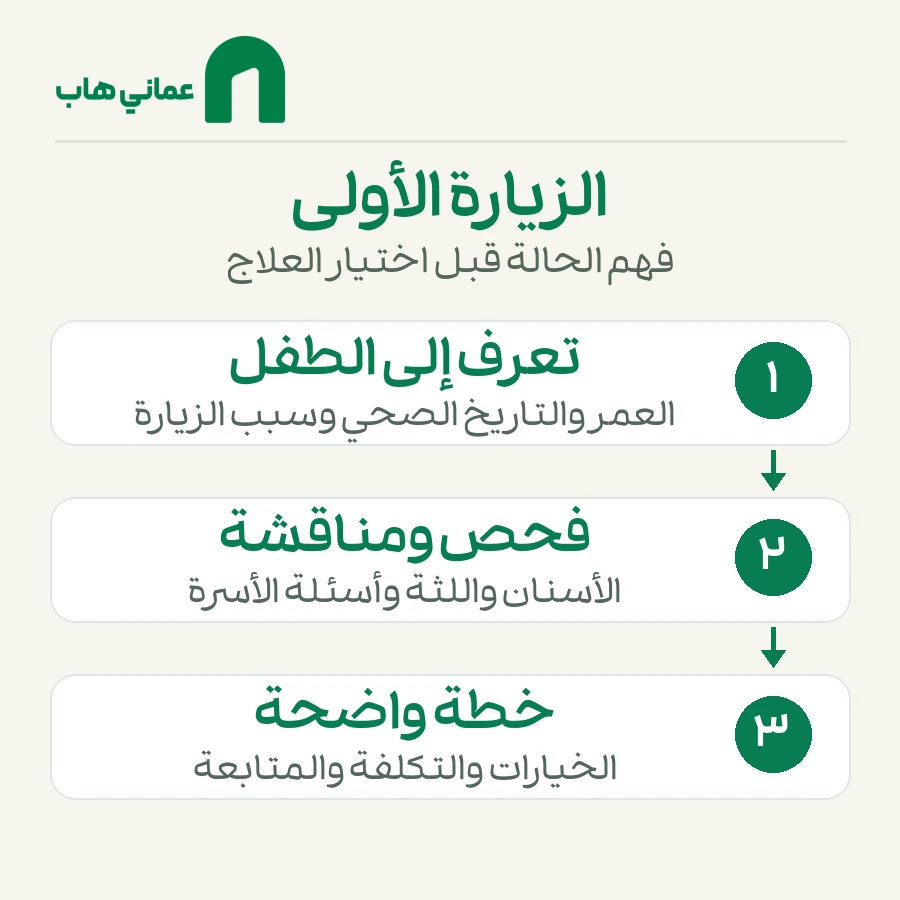
What happens during the first assessment?
The visit may include health history, examination of the teeth and gums, assessment of decay risk and discussion of food and home care. It is not automatically a treatment appointment. The clinician may need further information or investigations before presenting options, so ask whether the booking is for assessment alone or may include a procedure after examination and consent.
Bring medication names, allergies, relevant reports and previous dental records. Explain when symptoms started and what you noticed without assuming the cause. Before leaving, request a summary of findings, care priorities and the next step. If cooperation prevents completion of the examination, discuss a workable approach. Finishing every planned task in one visit is not the only measure of appropriate care.
Does every child need dental X-rays?
Imaging should answer a clinical question arising from examination, history and decay risk. Age alone, or a promotion including X-rays, does not establish the need for a particular image. Ask what the dentist needs to see and how the finding could affect the care decision.
Tell the clinic about recent investigations elsewhere and bring available records or ask how to transfer them. Do not assume different imaging systems provide the same information or that a wider image is best for every child. Confirm the fee and whether it is included in the consultation. An examination without imaging is not automatically incomplete, while a recommendation for imaging does not itself mean a serious problem has been found.
How do cleaning, fluoride and fissure sealants differ?
These are different procedures rather than interchangeable names for one preventive package. The dentist may discuss topical fluoride according to decay risk or a material sealing grooves on suitable chewing surfaces. Neither option replaces home care and review, and every child does not need every preventive procedure.
Ask which teeth or surfaces are involved, the intended purpose, fee and review arrangements. A package should be suitable after assessment; more items do not automatically mean better value. Check instructions after application and when the material or tooth will be reviewed. Do not add fluoride supplements or extra products merely because the same word appears in a clinic treatment. Product choice and fluoride exposure require guidance appropriate to the child’s age and circumstances.
| Service | Purpose | A useful question |
|---|---|---|
| First examination | Assess oral health and care priorities | Is this assessment only? |
| Topical fluoride | Risk-based preventive care | Is it suitable, and what are the instructions? |
| Fissure sealants | Seal grooves on suitable teeth | Which teeth, and how are they reviewed? |
| Decay management | Address an assessed problem | What are the alternatives, reviews and fees? |
How should you compare options for tooth decay?
The approach depends on the tooth, extent of disease, symptoms and ability to maintain follow-up. A dentist may discuss conservative management, a filling, a crown or another intervention for the assessed situation. A “small hole” description cannot establish the right choice, and material names alone do not explain the treatment goal.
Request the rationale, alternatives, limitations and consequences of waiting. Ask whether local anaesthesia is involved, what the child may experience and whether more visits are expected. Understand the proposed work before comparing costs. Prevention remains part of care after a tooth is treated; repairing one problem does not guarantee that another tooth will remain unaffected. Keep a written description so two quotations can be compared on equivalent terms.
When might pulp treatment, extraction or a space maintainer be discussed?
Some primary teeth require pulp treatment or removal. A space maintainer may be considered after particular tooth losses, depending on assessment and development. These are individual decisions, not a standard sequence for every child with decay. Age or a previous procedure on another tooth cannot determine the current plan.
Ask which tooth is involved, why the intervention is proposed, the alternatives and how the outcome will be reviewed. If a space maintainer is advised, clarify its purpose, cleaning, review and what to do if it becomes loose or uncomfortable. Confirm whether its fitting and follow-up are included in the quote. It is not interchangeable with braces, and the device does not guarantee that orthodontic assessment or treatment will never be needed later.
How should a clinic manage fear or difficulty cooperating?
Communication, a gradual introduction and suitable explanations can help a child understand the visit. The approach should reflect the child and the actual procedure. Ask how the dentist introduces equipment, recognises discomfort and responds when a pause is needed; “child-friendly” alone does not describe these arrangements.
Discuss the parent’s role and explain what reassures or unsettles your child. Share difficult previous experiences instead of withholding them out of concern that the appointment might be refused. No single approach guarantees cooperation from every child in one visit. If the initial plan cannot be completed, ask about adapting the visit, allowing more time or arranging an appropriate referral. Do not judge care solely by the number of procedures completed during the first appointment.
Are sedation or general anaesthesia always needed?
Local anaesthesia, sedation and general anaesthesia are distinct. A clinician may discuss an option for a particular situation, but fear does not make one method necessary for every child. The decision needs assessment of care requirements, alternatives and health, together with explained consent, monitoring and recovery arrangements.
Confirm the responsible team, setting, supervision and written instructions. If another centre or anaesthesia professional is involved, clarify coordination, fees and whom to ask about preparation. Do not independently administer sedating medicine, alter regular medicines or impose fasting. Follow the treating team’s specific directions for the procedure. If an influential part of the proposal remains unclear, ask for another explanation or opinion before committing; this guide cannot choose an anaesthetic plan for your child.
What if your child has additional health or sensory needs?
Explain health, sensory or communication needs when requesting the appointment so the practice can discuss appropriate arrangements. More time, environmental adjustments or coordination with another clinician may be needed. General acceptance of children does not establish that every branch can provide every required adaptation.
Describe useful communication, what reduces distress, medication, allergies and relevant medical information. Ask about access, accompaniment, appointment length and the person coordinating care. A diagnosis label alone may not explain the child’s practical needs, which can differ even between children with the same condition. If the practice cannot provide the required service, discuss a specific referral route rather than assuming that no suitable alternative exists. Keep expectations and responsibilities clear before booking.
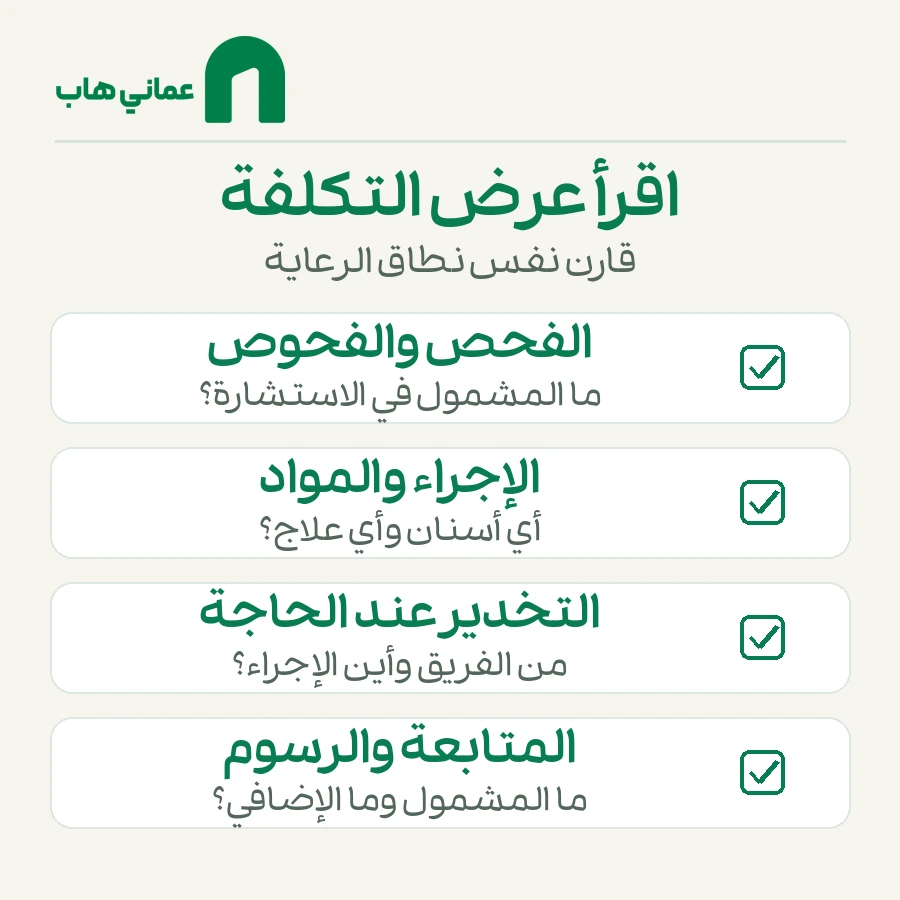
How much does children’s dental care cost?
The fee depends on assessment, the proposed procedure, teeth involved, investigations and follow-up. A consultation charge may be separate from treatment. Request an itemised quotation after assessment: a headline “from” price cannot establish the family’s final cost, and this page does not invent local prices.
Ask whether examination, necessary imaging, materials, anaesthesia and review are included or separately charged. For a plan involving several appointments, clarify stage costs and the total commitment. Compare like with like: preventive cleaning and a decay-treatment plan are different services. Check quotation validity and payment arrangements. Understand what happens if new findings change the plan, and how consent is obtained before adding a procedure or charge that was not previously discussed.
What should parents ask about consent, insurance and appointments?
Understand the proposed work, alternatives, charges and follow-up before consenting. Ask who should accompany the child and which documents the clinic requires. A WhatsApp enquiry does not establish agreement to all treatment stages, confirm insurance cover or create a confirmed appointment.
Check cover with the practice and your policy, including any prior approval and the family’s contribution. An insurer logo cannot establish that the proposed procedure is covered. Confirm cancellation or rescheduling arrangements and a practical follow-up schedule around school and work. Request written care instructions and a contact route for questions afterwards. These details help maintain continuity and make quotations clearer; they do not imply that every provider offers insurance, instalments or evening appointments.
What should you do about pain, swelling or an injury?
Contact a dentist about pain, swelling or tooth injury, explaining the child’s age, the event and when symptoms began. A permanent tooth knocked out by trauma needs urgent dental attention. A knocked-out baby tooth should not be put back. If you cannot tell which type of tooth it is, seek urgent professional guidance rather than deciding from age alone.
Breathing or swallowing difficulties, or severe swelling affecting these functions, require urgent medical help. Do not wait for a marketplace message. A WhatsApp number does not establish an around-the-clock emergency service; ask about the practice’s urgent-care route beforehand. Do not use leftover antibiotics or another person’s medicine for the child. Appropriate management depends on assessment, and symptom relief does not replace evaluation of the cause.
How do you maintain oral care between visits?
Daily care involves age-appropriate fluoride toothpaste, adult help or supervision according to ability, and attention to how often sugary foods and drinks are consumed. Ask about the suitable product, amount and cleaning technique. A preventive clinic procedure does not replace a consistent routine at home.
Make the advice workable: decide who supports morning and evening brushing, where supplies are kept and how routines continue during school days or travel. Report discomfort or repeated refusal so the dentist can discuss possible causes and a practical approach. Avoid replacing instructions with strong products or home remedies promoted online. Note questions arising after the visit and bring them to follow-up. Another child’s instructions may not address your child’s device, development or oral-health concerns.
How is follow-up planned, and when does orthodontics become relevant?
Review timing depends on oral health, decay risk and previous care. One interval does not fit every child. Ask what the next appointment will check, how treated teeth or preventive materials will be reviewed, and what to do if a concern appears before the scheduled visit.
The clinician may discuss tooth position, bite or oral habits and recommend further assessment where appropriate. Assessment is not automatic agreement to start braces. For a separate service comparison, read the orthodontics and braces guide, then discuss suitability with the dentist. Retain plans and investigation records when changing clinics so the new team can understand completed and outstanding work. Disappearance of pain, or a reassuring photograph, does not establish that all care objectives are complete.
How can you use OmaniHub to prepare a clear enquiry?
Begin with your child’s age and reason for visiting, then prepare questions about the clinician, service, costs and follow-up. If related offers become available, confirm the branch, accepted ages and qualifications directly with the provider. An enquiry is not a confirmed booking or clinical approval for treatment.
No pediatric dental offers are currently linked to this service record on the platform. An empty list does not mean the wider market has no clinics. Return to OmaniHub to explore available categories and use this guide to prepare a consultation with a provider you choose. The page does not rank the best dentists, publish unconfirmed fees or establish specialist credentials from a category label. Decide after the need, plan and provider responsibilities are clear.
General information was checked against AAPD and NHS guidance and a trial published by the NIHR Journals Library. These organisations do not endorse the platform or its providers. Information updated: 13 October 2026.