
Orthodontics & Braces in Muscat
Choosing orthodontics and braces in Muscat starts with understanding the concern and the complete plan, rather than bracket colour or a fitting fee. This guide explains what to ask about metal and ceramic braces, assessment, overall costs, follow-up and retainers. A clinician determines suitability after examining the teeth, gums and bite; one plan does not fit every patient.
OmaniHub is an intermediary marketplace, not a dental clinic. No orthodontic provider offers are currently linked to this record. Use the information to prepare a consultation and compare options; it does not establish an available booking or an individual diagnosis.






Choosing metal and ceramic braces in Muscat
What do fixed braces treat, and what are their limits?
Fixed braces use brackets and an archwire to move teeth gradually under a clinician’s supervision. A plan may address crowding, spaces or the way the upper and lower teeth meet. Wanting a different smile is a reasonable starting point, but appearance alone does not determine whether treatment is needed or which appliance is appropriate. The examination connects the concern you can see with the changes that can realistically be planned.
Describe your priority before the consultation: a rotated tooth, a visible gap, difficulty cleaning a crowded area or a question about your bite. Ask which parts of that concern the proposed plan addresses. Do not assume that braces will resolve every type of jaw pain or produce a particular change in facial appearance.
How do metal and ceramic braces differ?
Metal brackets are readily visible, while ceramic brackets are usually closer to the colour of the teeth or less noticeable. Both are fixed appliances requiring assessment, review appointments and daily care. Your choice should reflect the movements being planned and your oral health, alongside the importance you place on appearance. A less visible appliance is not automatically suitable for every treatment plan.
Ask whether the same bracket type is proposed for both arches and what will remain visible when you speak or smile. Mention work commitments or a forthcoming event if appearance is a concern. Terms such as modern braces, premium brackets or a named system do not establish faster treatment or better results on their own. Compare the clinician’s explanation, responsibilities and complete quotation before paying extra for a particular label.
| Option | Distinguishing feature | What should you ask? |
|---|---|---|
| Metal braces | Visible fixed metal brackets | Suitability, supervision and complete fees |
| Ceramic braces | Less noticeable, tooth-coloured brackets | Suitability for each arch and planned movement |
| Clear aligners | Removable trays; a different service | Actual system, daily use and review arrangements |
| Retainer | Maintains positions after treatment | Type, instructions, repairs and replacement |
Could clear aligners be an alternative?
Clear aligners are removable trays and involve a different pattern of daily use from fixed brackets. Invisalign is a specific branded system, rather than a name for all clear aligners.
This guide focuses on fixed braces. Discussing aligners helps you frame a comparison without treating the two services as identical. Ask why each option is being recommended and what would happen if you struggled to follow the instructions for a removable appliance. A complete fixed-brace plan and a limited aligner package may cover different goals. The review arrangements, refinements and retention provisions can also differ, even between quotations that use similar wording.
What happens at the initial orthodontic assessment?
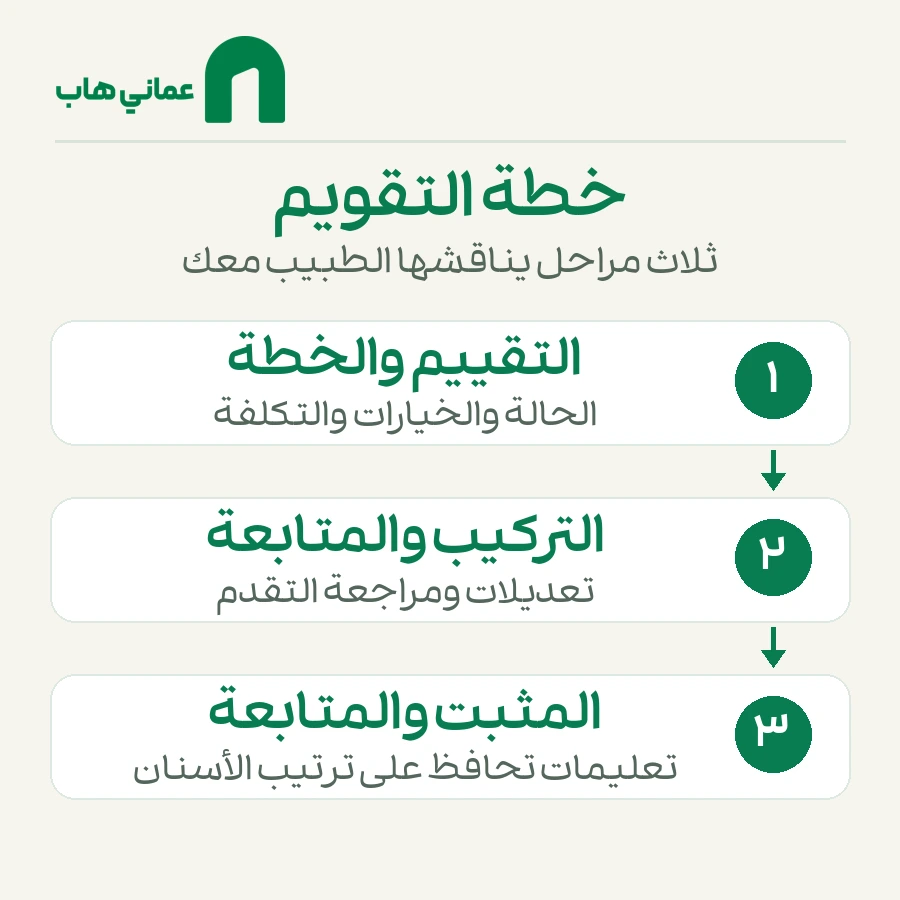
The first appointment should establish the condition of your teeth and gums, your bite, relevant history and the concern you want addressed. Photographs, radiographs, scans or impressions may be requested where needed for planning. An assessment is not necessarily a fitting appointment, and requesting a consultation does not mean agreeing to the entire treatment plan in advance.
Bring information about medicines, allergies, previous tooth injuries and any earlier orthodontic treatment. If you already have recent records, ask whether they are useful rather than assuming every investigation must be repeated. Clarify the consultation fee and what you receive afterwards: an explanation, a written plan or a quotation requiring further assessment.
Are braces appropriate for adults or children?
Braces are not restricted to teenagers. Adults may be suitable after assessment of their teeth, gums and treatment objectives. For children, the timing of assessment and treatment depends on development and the particular concern. Age, or the number of permanent teeth visible, does not by itself establish that a child should have an appliance fitted immediately.
Adults should mention crowns, fillings, missing teeth and previous gum problems. Parents can ask who assesses the child and whether the recommendation is treatment now or observation. Request a clear reason for the timing: what is gained by starting, and what would change if treatment were postponed? Another person’s plan is not a reliable guide simply because they are the same age.
How should you compare a clinician and clinic?
Start with the clinician who will plan and supervise treatment. Ask about relevant qualifications and the actual role of each team member, rather than relying on a general title in an advertisement. Find out who performs each part of a review and who reassesses the plan if circumstances change. Clear responsibility matters more than the size of a social-media gallery.
A convenient branch can make repeated visits easier, but proximity should not be your only criterion. Confirm the actual location, consultation times and arrangements for missed appointments or appliance problems. Expect an explanation you can understand and time to ask questions. Reviews can describe communication and practical experience; they do not replace checking the service or clinician. The Health & Clinics category shows the platform’s wider scope, but the relevant service must still be confirmed with any provider.
What should a written treatment plan explain?
A useful plan identifies the concern being treated, the recommended appliance, anticipated stages, an estimated timeline and the points requiring reassessment. Ask about reasonable alternatives, including not starting treatment now when appropriate. The reason for favouring one option should relate to your needs rather than simply the product a clinic is promoting.
It also helps to understand how progress will be discussed. Is there a defined alignment or bite objective, and when will the clinician review it with you? Ask what could change the estimated time or fees and how consent will be obtained before an additional procedure or charge. Keep the written plan and quotation, and return to any unanswered question before making a long-term financial commitment.
How much do braces cost, and how can you compare quotations?
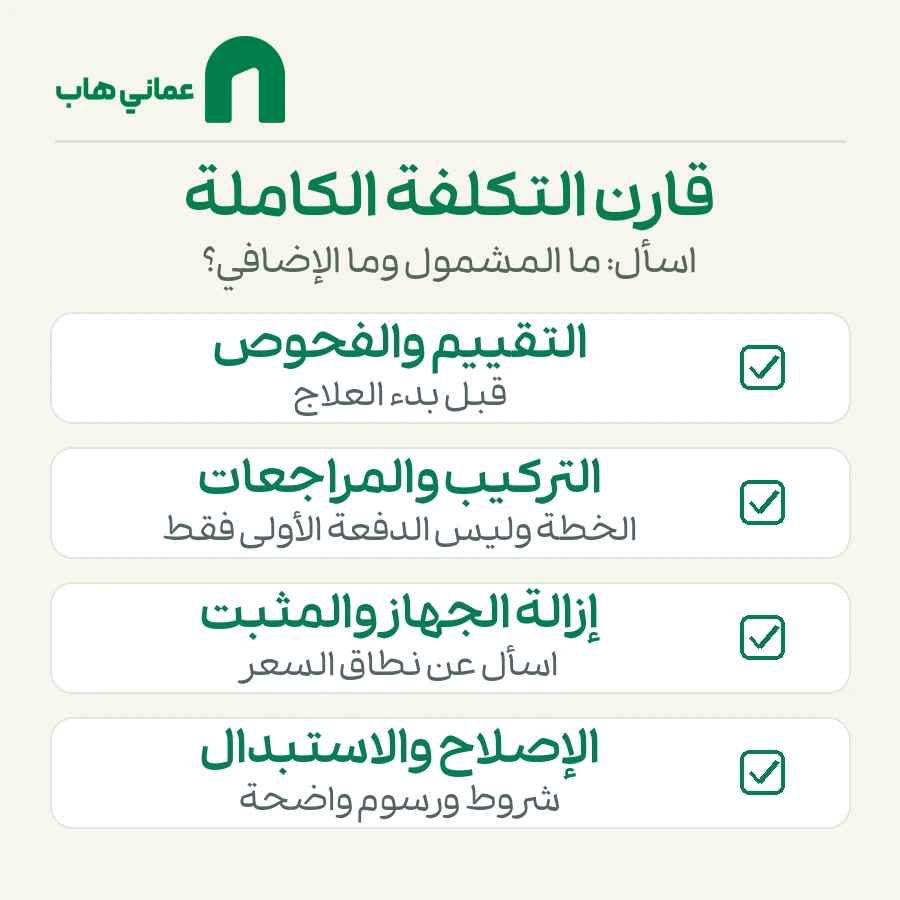
There is no single price that applies to every case. A quotation reflects the scope of treatment, appliance and included services. The fitting fee or first payment may not be the full treatment cost. A monthly figure is also incomplete without the number of payments and the arrangements if treatment takes a different amount of time.
Request an itemised explanation of assessment, necessary investigations, fitting, review visits, removal and retention. Ask how repairs and replacement retainers are charged. Compare two quotations only after checking these inclusions; a higher price does not automatically mean better suitability, and a lower one may cover a different package. This page does not publish invented local prices, convert general research figures into clinic offers or imply that an advertised starting amount is a confirmed quotation for your treatment.
What should you ask about payments, insurance and cancellation?
If a clinic proposes instalments, establish the overall commitment, payment dates and what the first payment covers. Ask about additional charges and the calculation used if treatment stops or is transferred.
Do not infer insurance coverage from a logo on a clinic website. Confirm the relevant benefits, approval requirements and personal contribution with the clinic and insurer where applicable. Read the arrangements for cancellation, delayed visits and refunds before committing. These are comparison questions, not a claim that every provider offers financing, accepts insurance or applies the same payment rules.
How long does treatment take, and how should you organise reviews?
Treatment duration is an individual estimate reflecting the concern, plan, response and follow-up. It is not a fixed promise attached to a bracket name. Front teeth may appear straighter before the other objectives have been completed. Ask what the clinician means by finishing the plan, rather than judging progress only from smile photographs.
Review appointments are part of treatment, so discuss your availability before starting. Ask how a missed visit is rearranged and when to notify the team about a broken component or an inability to attend. Explain frequent travel or unpredictable work commitments early. A realistic follow-up arrangement is more useful than a plan you cannot attend. If the estimate changes, request the reason and any implications for fees. Waiting until something hurts is not a substitute for the agreed review schedule.
How should you prepare for fitting, and what might it feel like?
Request instructions for the fitting day, the expected appointment length and any preparatory steps. Tooth decay or gum concerns may need attention before orthodontic treatment begins. Establishing readiness is the clinician’s responsibility; a photograph supplied for an initial enquiry does not replace that assessment or establish permission to proceed.
An appliance can feel unfamiliar, and tenderness may occur after fitting or adjustments. Ask what is expected for your circumstances and whom to contact if discomfort does not settle. Discuss appropriate pain relief with a clinician or pharmacist, particularly if you take medicines or have allergies. Do not alter an archwire or glue a bracket back yourself. Severe pain is not evidence that treatment is working faster. Before leaving, make sure you understand the instructions and have a version you can refer to at home.
What changes to cleaning, food and daily activities matter?
Care involves cleaning the teeth, around brackets and between teeth, using fluoride toothpaste and suitable tools explained by the dental team. Orthodontic reviews do not replace ordinary dental examinations. Ask for a practical demonstration of cleaning areas you find difficult to reach, rather than leaving with a list of products whose purpose is unclear.
Hard or sticky foods can damage components, so discuss which foods need adaptation and how to prepare them. The aim is a routine you can maintain. Tell the clinician if you play contact sports, use a mouthguard or play a wind instrument so appropriate arrangements can be discussed. A relative’s appliance or cleaning advice is not a substitute for your own instructions. The method needs to reflect your device, treatment and existing dental concerns, alongside your ability to carry out daily care reliably.
Which risks should be discussed before you consent?
Relevant risks include decay and gum problems when cleaning becomes difficult, possible changes involving roots or gum tissue, and teeth moving after treatment. Their likelihood and importance depend on the individual situation. A risk list does not mean every problem will happen to you, but no bracket type should be presented as risk-free for everyone.
Ask how the risks relate to your teeth and how the clinician will monitor important changes. Mention previous injuries, gum conditions and material allergies. Discuss when a change in oral health would require the plan to be reviewed. A sound decision rests on understanding expected benefits, limits and responsibilities rather than a statement that treatment is safe for all patients. If an issue that affects your choice remains unclear, request another explanation or seek an independent clinical opinion.
Will you need tooth removal or other procedures?
An additional procedure may be recommended as part of an individual plan, while another apparently similar case may not need it. Visible crowding alone does not determine whether removal is appropriate. Ask for the rationale, alternatives and assessment supporting a recommendation before agreeing to that part of treatment.
If extractions, gum care or restorative work are proposed, confirm who performs them and how they are coordinated with the orthodontic clinician. Establish whether they are included in the quotation or charged separately. A promise of extraction-free treatment for every person before examination is not enough to base a choice on. Equally, a procedure recommended to a friend is not a requirement for you. Keep the order of steps clear and ask what changes if you choose to delay a particular recommendation.
When should you contact the team about pain or a broken appliance?
Contact the treatment team about a detached bracket, displaced wire, persistent significant discomfort or a gum problem. Explain what happened and when it started. A photograph may help the clinic organise an assessment if they request it, but it is not a complete diagnosis or permission to attempt a home repair.
Find out the actual contact arrangements before beginning treatment, including what help is available outside scheduled visits. A WhatsApp number does not establish a round-the-clock emergency service. Seek urgent medical help for breathing or swallowing difficulties or rapidly worsening, significant swelling instead of waiting for a message reply. Keep the clinician’s and clinic’s details accessible, particularly when travelling or when a parent manages a child’s appointments.
Why does a retainer matter after braces are removed?
Retention helps maintain the positions achieved by orthodontic treatment and should be discussed at the beginning. Retainers may be fixed or removable; the clinician determines the type and instructions for the individual plan. A clear retainer is not the same as a new course of clear-aligner treatment.
Ask when the retainer will be supplied, whether it is included, how it is cleaned and when it is reviewed. Establish the arrangements for loss or breakage. If it no longer fits or a fixed part becomes loose, seek advice rather than modifying it yourself or silently stopping use. A universal wearing schedule is not appropriate for every patient. Include retention in your budget and expectations so the financial plan does not appear to end with appliance removal while further care remains unexplained.
What if you move or want a second opinion?
Before transferring care, obtain the plan, relevant records, progress information, payment history and details of remaining work. Ask the current clinic about releasing records and the new clinician whether they accept the appliance and plan after assessment. Continuing treatment elsewhere is not simply a matter of booking any nearby adjustment appointment.
Clarify who remains responsible during the handover and how an approaching review or broken component will be managed. The new provider may have different charges or a different proposed scope; the earlier quotation does not automatically transfer. A second opinion is most useful when it explains the assessment and options, rather than competing through photographs. Do not abandon scheduled care without arranging the next step. Request a written account of important changes so you know what has been recommended and what you have agreed to.
How can you use this page to make a clearer decision?
Identify your main concern and prepare questions about the clinician, appliance, complete cost, reviews and retention. If relevant provider offers appear on the platform later, confirm the branch, actual service and appointment directly before agreeing. An enquiry is not a confirmed booking, and a provider listing does not prove every qualification, appliance or appointment is available.
No orthodontic provider offers are currently associated with this service record. An empty list does not mean that no clinics operate in the wider market. You can return to OmaniHub, explore the available categories and use this guide to prepare a consultation with a provider you choose. Decide when the plan and responsibilities are clear, rather than because a service name appears repeatedly in an advertisement.
General information was checked against guidance from the British Orthodontic Society, American Association of Orthodontists and NHS. These organisations do not endorse the platform or providers. Information updated: 13 October 2026.