
Microneedling & Dermapen in Oman
Related services: Acne treatment · Scar treatment · Skin tightening
Looking for microneedling or Dermapen in Oman? Start with a skin assessment, then compare the procedure, device, practitioner and complete quote. Microneedling may improve the appearance of some scars and skin texture, but suitability and results vary. Use this guide to prepare for a consultation and compare expected benefits, risks and recovery before booking.
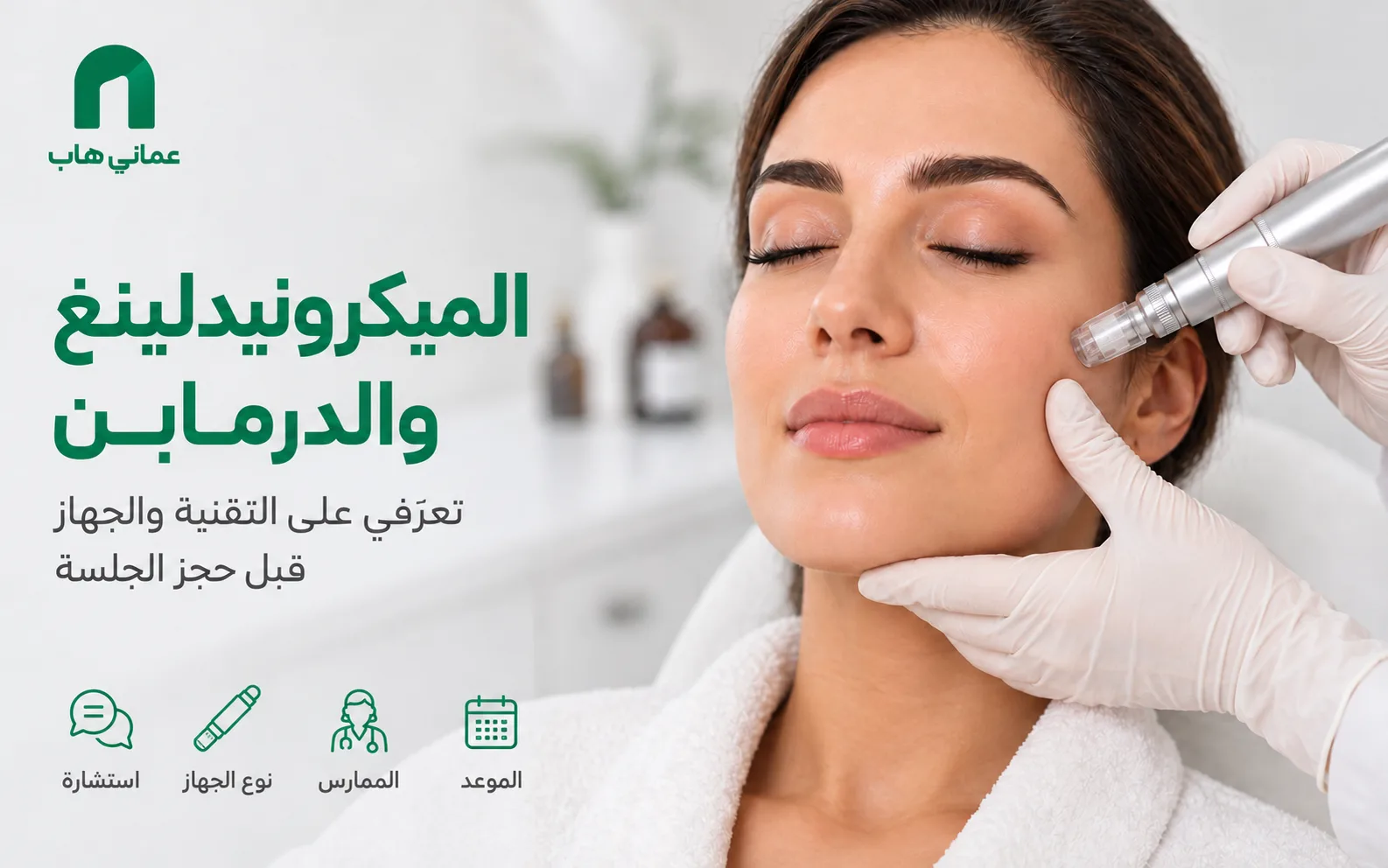

Microneedling and Dermapen in Oman: what to know before booking
Microneedling is a procedure in which fine needles make controlled punctures in the skin. The resulting repair response can help improve the appearance of some acne scars and uneven texture. Dermapen is a brand of automated microneedling device, rather than the name of every pen used for this procedure. Conventional microneedling does not deliver radiofrequency energy. A consultation should establish which treatment is being offered and whether it suits your skin.
If you are comparing appointments, start with the concern you want treated: depressed acne scars, fine lines or uneven texture. These are different from active acne, a raised scar or a changing skin lesion. A useful appointment begins with an assessment and a realistic goal. Ask what improvement the clinician expects, what may remain visible and how progress will be reviewed before committing to a package.
Is Dermapen the same as microneedling?
Microneedling describes the technique; Dermapen identifies a particular device brand. Clinics may also use other motorized pens or a roller. The name on an advertisement does not tell you the exact model, whether radiofrequency is involved or who performs the treatment. Ask for those details when enquiring. If a clinic advertises Dermapen, you can ask it to confirm the brand and model rather than assume that every pen is the same product.
| Term | What it describes | What to ask |
|---|---|---|
| Conventional microneedling | Mechanical punctures with fine needles; no RF energy. | Which device, treatment area and practitioner are included? |
| Dermapen | A brand of automated microneedling pen. | Is the advertised brand actually used, and which model? |
| RF microneedling | Needles combined with radiofrequency energy that heats tissue. | Why is RF proposed, and what additional risks apply? |
Can microneedling improve acne scars and skin texture?
It can improve the appearance of some depressed acne scars, but it does not erase every scar. Scar shape, depth, skin condition and previous treatment influence the choice of procedure. A small clinical trial comparing microneedling with a nonablative fractional laser found improvement in atrophic acne scars in both groups. That supports a treatment option, not a promise that your result will match a study photograph or that one method is best for everyone.
Explain what bothers you in ordinary terms: shadows from old scars, roughness under makeup or texture visible in side lighting. Ask the clinician to identify the cause before choosing treatment. Several concerns can look similar in a close-up photograph. If your goal is an assessment of several scar types and treatment options, the dedicated scar treatment service covers that broader need.
Do not judge the final result from the first day. Swelling, redness and lighting can change how skin looks immediately after a session. Agree on a later review, preferably with comparable photographs and a description of the change you hope to see. A clear starting point makes it easier to discuss whether the plan is helping, whether further sessions are reasonable or whether another approach should be considered.
What if I still have active acne?
Active inflammatory acne and old acne scars need different decisions. Painful spots, pus-filled lesions, a rash or an infection in the treatment area should be assessed before needling. Tell the clinic if your skin has changed since booking. A practitioner may postpone treatment rather than pass a device across inflamed or infected skin. For ongoing breakouts, start with acne treatment and an acne assessment; scar improvement can be discussed once the current problem is managed.
How many sessions are needed, and when do results appear?
There is no reliable session count for everyone. More than one treatment may be needed, and the interval should allow appropriate recovery. Published scar-treatment protocols differ: one acne-scar trial used three monthly sessions, while a hospital scar service describes a longer course with wider intervals. These are examples of specific protocols, not a schedule to copy without assessment. Ask for a plan based on your concern and a review point before extending it.
The American Academy of Dermatology describes possible improvement within a few weeks, with fuller results usually taking several months. This is a general expectation, not a guaranteed timetable for your skin. Ask when the clinician expects to assess progress, how it will be recorded and what would prompt a change of plan. If you are preparing for a wedding, travel or an important work event, mention the date before paying. Allow room for recovery and review rather than scheduling your first session immediately before the occasion.
Results should not be described as permanent for every concern. Your skin continues to change, and further treatment may or may not be appropriate. At review, ask whether another session has a clear purpose and when you should reassess. Avoid buying maintenance appointments on the assumption that everyone needs the same annual schedule.
Is it painful, and how does an appointment work?
The procedure can be uncomfortable even when a numbing cream is used. Sensation varies with the area, treatment intensity and individual tolerance. Explain any allergy or previous reaction to local anaesthetic. Ask whether numbing is included and how long the full visit takes; a treatment slot and an appointment that also includes assessment, preparation and aftercare are not necessarily the same length.
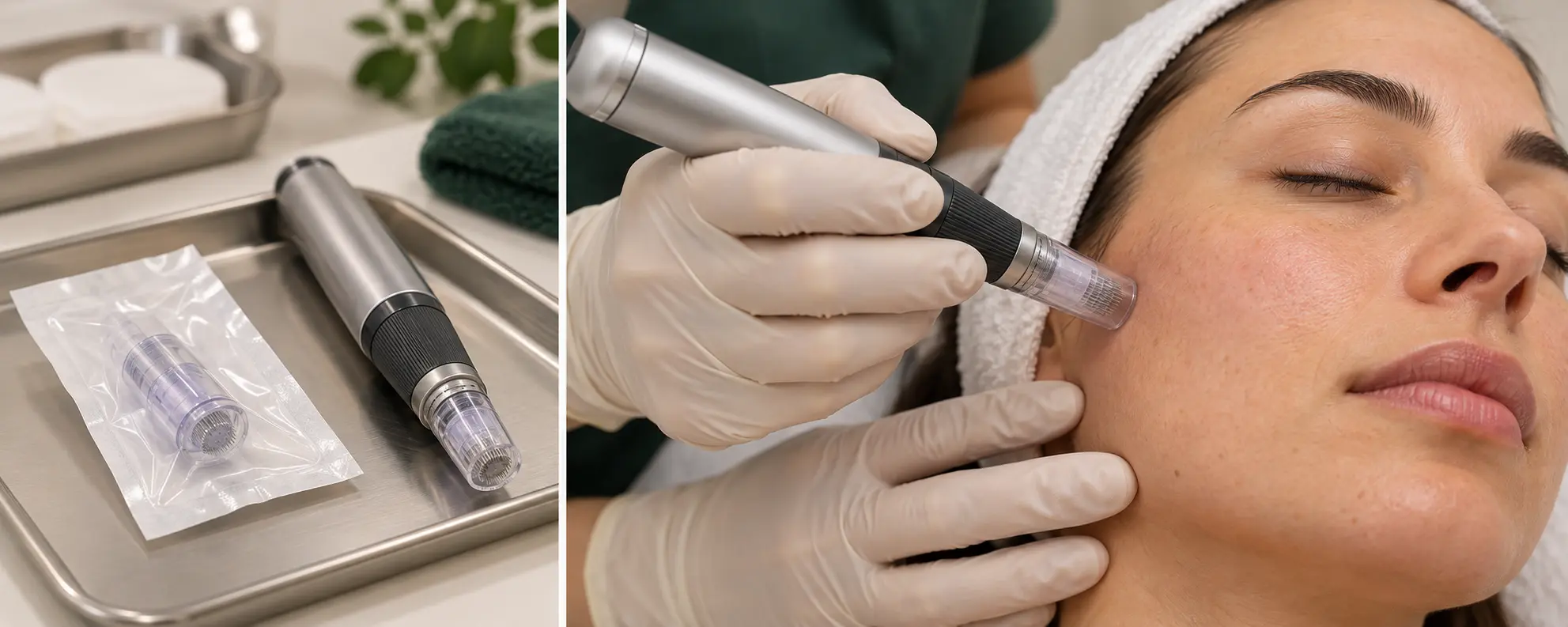
A typical clinical visit includes checking your history and skin, discussing consent, cleaning the area and preparing the device before treatment. The clinician chooses the settings; you should not select a needle depth from an online chart. You should leave with instructions and a contact route for concerns. Before the session begins, confirm that the procedure, area and agreed price match what you discussed at booking.
How do I choose a clinic and check hygiene?
Ask who will assess your skin and who will perform the procedure, what relevant training they have and which device they use. A recognizable device name is only one part of the decision. You also need a clear explanation of suitability, hygiene, consent and follow-up. If the clinic cannot explain those details before accepting payment, arrange an assessment before buying a course.
A new needle cartridge is needed for every patient and every session, including another appointment for the same person. Cleaning a used cartridge does not make reuse safe. Ask how the reusable parts of the device are cleaned and whether the single-use cartridge will be opened for your appointment. You do not need to inspect technical settings yourself; you do need to understand the clinic's approach and whom to contact afterwards.
When comparing examples of previous work, ask whether photographs show the same procedure being proposed to you, whether other treatments were used and when the follow-up photograph was taken. A picture can illustrate a possible outcome but cannot establish your likely result. A clinic should be willing to discuss limitations as clearly as benefits, particularly when several procedures are included in one advertised package.
Which health conditions and medicines should I disclose?
Tell the clinician about bleeding problems, blood-thinning medication, diabetes, immune suppression, recent skin procedures and any history of raised or keloid scars. Also disclose cold sores, a current infection, eczema or another skin condition affecting the area. Mention pregnancy, breastfeeding and current or recent isotretinoin use. These details can affect whether treatment is suitable, needs extra assessment or should be postponed.
Bring the names of medicines and skincare products you actually use, including supplements and prescription creams. Do not stop a prescribed medicine or change a dose because an online guide says to do so. If a change is necessary, the treating clinician should explain it and involve your usual prescriber where appropriate. An honest history is more useful than trying to qualify for a treatment that may not be right for you.
Can darker or sensitive skin be treated?
Microneedling is used across different skin tones, but no skin type is free of risk. Darkening or lightening can occur after treatment. Tell the clinician about pigment changes after previous procedures, a tendency to scar and products that irritate your skin. Sensitive skin needs an assessment of the cause of sensitivity and the current skin condition, rather than a promise that a gentle setting makes the procedure suitable for everyone.
How should I prepare?
Request the clinic's written preparation advice before the appointment. Ask about recent sun exposure, tanning, other skin treatments and whether any product needs to be paused. Give the clinic enough notice to review your history. Arrive with the treatment area prepared as instructed, and report a new breakout, cold sore or irritation even if it appears the day before the session.
Plan the practical details as well: time away from work if your skin is visibly red, a journey that limits sun exposure and suitable products for the recovery period. Keep the instructions somewhere you can find them later. If several clinics give different advice, ask why their protocols differ; the device, treatment area and intensity may not be identical. Do not combine parts of several plans into your own regimen.
What should I expect afterwards?
Temporary redness, tenderness, dryness or tightness can occur. General dermatology guidance describes these reactions as usually settling within a few days to a week; intensity and duration still vary with the procedure and skin response. Ask about the expected recovery for your particular session and whether peeling is likely. A claim of no downtime should be clarified before an event or a public-facing workday. A routine recovery estimate also does not rule out a complication.
Follow the clinician's instructions for gentle cleansing, moisturizing and sun protection. Avoid picking at flaking skin or adding several new products in response to dryness. If the plan lists a particular product, ask what it is for and whether a suitable alternative is available. The aim is a manageable recovery routine, with clear instructions about when to restart your usual skincare.

When can I wear makeup, exercise or swim?
Use the timeframe given for your actual treatment. The American Academy of Dermatology's general guidance advises waiting 24 hours before makeup, while Chelsea and Westminster Hospital's scar-treatment aftercare uses 72 hours. The difference reflects different guidance and treatment contexts. Ask the clinic to write down its instructions for makeup, sweating, heat, swimming and restarting active skincare. Your skin's condition and the clinician's plan matter more than the shortest interval found online.
Which symptoms need medical advice?
Contact the treating clinic promptly if symptoms are worsening, unexpected or worrying. Spreading redness, increasing pain, discharge, blisters or a suspected infection need assessment rather than extra home products. Ask before treatment how urgent concerns are handled outside normal opening hours. Keep the date, procedure and products used available when contacting a clinician. Seek urgent care for severe symptoms rather than waiting for a routine review.
Is RF microneedling better? What about PRP or serums?
RF microneedling adds energy that heats tissue, so it has a different risk discussion from conventional needling. In October 2025, the FDA warned about reports of serious complications with certain RF uses, including burns, scarring, fat loss and nerve damage. This does not mean those complications occur in every session. It does mean the precise device, proposed use, practitioner experience and alternatives deserve a separate discussion.
If a package includes platelet-rich plasma (PRP), vitamins or a serum, ask what is being applied, why it is proposed and what evidence supports that exact combination. FDA authorization of a microneedling device does not automatically cover delivery of another product into the skin. Do not infer local authorization from a US claim. Ask the clinic to distinguish the basic procedure from optional additions, including their cost and any added risks.
If your main concern is loose skin or a broader rejuvenation plan, compare the purpose of treatment before choosing a device. The skin tightening and rejuvenation service is a useful next step for exploring that different goal. An alternative is worth discussing when it better matches the concern; a longer or more expensive package is not automatically more appropriate.
How much does microneedling cost in Oman?
Ask the clinic for a current written quote. Prices can differ according to the treatment area, practitioner, device, number of visits and any additions. A headline session price may exclude assessment, numbing, aftercare or follow-up. Compare like-for-like quotes rather than the smallest advertised number. A marketplace listing should help you find a provider, but the provider must confirm the exact procedure, availability and final fee.
| Part of the quote | Question to ask |
|---|---|
| Assessment | Is consultation included, and who assesses suitability? |
| Treatment | Which device, area and practitioner does the price cover? |
| Preparation and recovery | Are numbing, recommended products and a written plan included? |
| Course and review | How many visits are proposed, when is progress reviewed and what are the cancellation terms? |
| Additions | Are PRP or other products optional and separately priced? |
For a course, ask what happens if treatment is postponed because of a skin problem or if the clinician recommends changing the plan. Keep the written quote and agreed terms. These questions are particularly useful when an offer requires advance payment. You can compare providers without deciding immediately; an initial assessment may give you the information needed to choose a sensible next step.
Can a home roller replace a clinical session?
A home roller is not a substitute for a clinical assessment or a professionally planned scar treatment. Devices sold for home use may differ in purpose and how they affect the skin. Needling at home can cause injury, infection or pigment changes. Do not try to copy professional settings or add unapproved products to punctured skin. If cost is the reason you are considering it, discuss the treatment options and total expense at an assessment first.
Find a provider and related services
Use the location filter to explore relevant businesses in Oman. Open a business profile and contact the clinic to confirm that it currently offers the procedure, which practitioner is available and whether an assessment is required. Listing details do not establish that every provider uses Dermapen or that every appointment is suitable for you. Start with the concern you want assessed, then confirm the treatment and price directly.
For other concerns, these existing services can help you continue your comparison:
- Acne treatment — assessment and management of current breakouts.
- Scar treatment — a broader review of scar concerns and options.
- Skin tightening and rejuvenation — comparison when laxity or rejuvenation is the main goal.
You can return to OmaniHub to explore other services and businesses. Before enquiring, note your main concern, previous treatments, available dates and the questions you want answered. This helps the clinic respond to your needs rather than simply send a standard package price.
Medical information sources
American Academy of Dermatology; US Food and Drug Administration (FDA); Chelsea and Westminster Hospital NHS Foundation Trust. Information checked on 9 October 2026. This guide supports preparation and comparison; a clinician's assessment determines whether treatment and a particular care plan are appropriate for you.